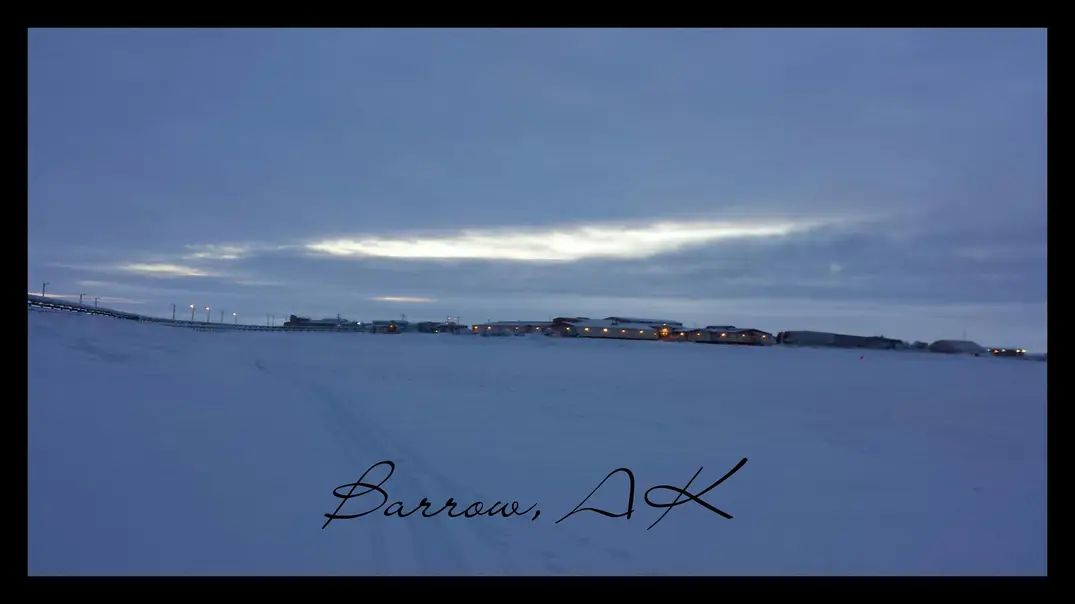
As outgoing Chair of the Oregon State Bar Indian Law section, I am often asked “How did I start to practice in this area of law?”
Here’s a little of my history, starting at the Top of the World
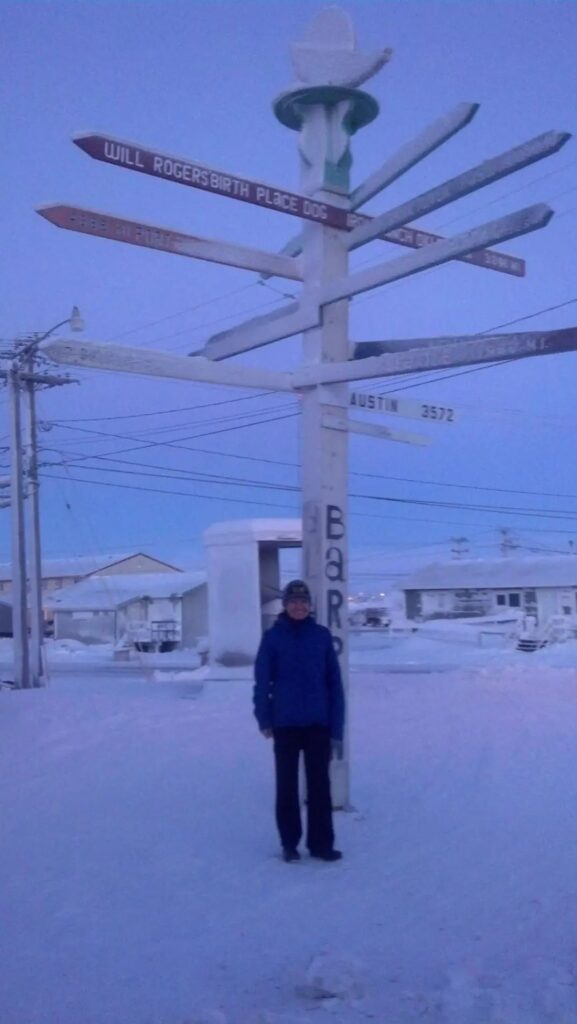
It’s hard to believe it’s been 9 years since I moved back to Portland after spending the previous 4 years in Barrow, AK!!! It really feels like just yesterday but the pandemic created a time warp.
I saw the City officially change its name to Utqiagvik in December 2016 before I left. Though folks still use both names.
In the northern-most city in the United States, I worked as an Attorney for the North Slope Borough, which is a county-level government with land area the size of Utah. It has 8 villages not connected by roads, ranging in size from 210 people in Pt Lay, to about 4500+ people in Utqiagvik. The other villages are Pt Hope, Wainwright, Atqasuk, Nuiqsut, Kaktovik, Anaktuvik Pass. These villages are predominantly Alaska Native, and most have a city government, a Tribal government and an ANCSA village corporation.
My main focus and about 50% of my work was environmental law — helping to support and defend the Alaska Native right to hunt for food security, food sovereignty, subsistence and cultural purposes. This includes caribou (tuttu), bowhead whale, beluga, seals, polar bear, and birds. And helping the communities balance economic development from oil & gas development with environmental protection. (The area contains the NPR-A and ANWR, plus offshore Arctic Ocean).
As one attorney in an office of six, I took on a wide range of projects with Police, Fire, Health and Human Services, Planning and land use, Public Works, Elections, HR and more.
How did I get started fighting for Tribal sovereignty?
It was a winding path to law school. I started in marine biology — volunteering at the Mystic Aquarium — and eventually switched to environmental science.
Much of my focus was on water and water rights which has a big overlap with Tribes. In college, at URI Watershed Watch, we worked with the Narragansett Tribe on water quality. In AmeriCorps, we did a stream survey project for the Eastern Band of Cherokee Indians. And of course I played lacrosse, an Indigenous sport. (Though the history of the colonization of the sport is complicated, I do know it’s been important to my path.) And I took a class in Indian law in law school and worked on Tribal water law projects.
I graduated law school in 2009. In December 2012, I was looking for a change. I saw the job post: Environmental Attorney, Barrow, AK. I applied.
Moving to Alaska
The phone interview led to an in-person interview in January. I flew up, the week before the sun came back, and met the other attorneys. I took a couple tours of town to see the gym and rec center. I visited Ilisagvik College, to meet my main client the Department of Wildlife Management. And learned they work with the scientists at Mystic Aquarium! And bring kids to CT to see the Aquarium and connect with the Mashantucket Pequot Tribe. It was a sign.
I moved up in February 2013. The experience was incredible and incredibly challenging.
I lived full-time in the Arctic for almost 4 years. I visited each of our villages and other parts of Alaska.
I spent time cheering on Barrow Whalers football and basketball, and taught yoga, and coached soccer and tried to stay involved in the community.
Since I left, I have continued to support Alaska Native communities and organizations through my work. I have also expanded my work to Tribes and Tribal organizations in the Lower 48. I will always advocate for Tribal Sovereignty, and the ability for Tribes as sovereign nations to make their own decisions.
Have questions about this area of law? Contact me.